Why Sichuan won me over, even though I'm a northerner

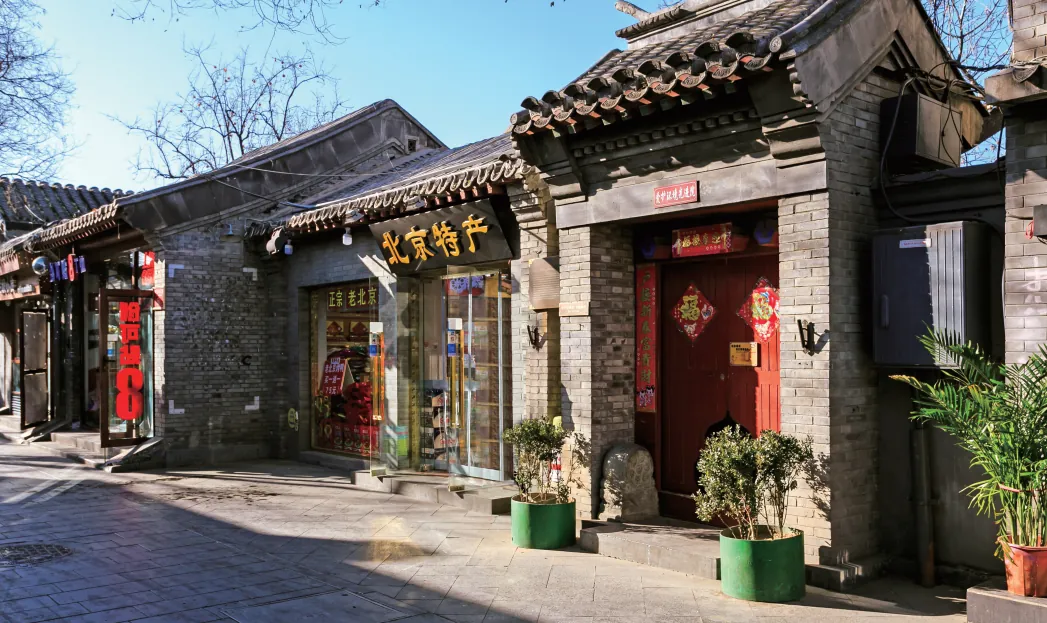
I was born in Beijing. The North, then — harsh winters, the hutongs, wheat-based food, that sense of order and restraint you breathe in from childhood. When people ask what my favourite region in China is, they often expect me to name my hometown.
And yet. The answer is Sichuan. Far to the south, thousands of kilometres away. And every time I say it, I see the same reaction — “ah, the chilli, the mala, it's brutal, isn't it?”
Yes. And no. Reducing Sichuan to its spicy food is like summing up France with red wine. It isn't wrong, but it misses the essential.
What won me over, a northern girl, isn't that people eat boldly there. It's that people live gently there.
A region that takes its time
Sichuan is a vast basin ringed by mountains. For centuries, those ranges shielded it from the wars and upheavals that shook the rest of China. The result: a fertile land, nicknamed “the land of abundance,” and above all a culture deeply attached to the art of living.
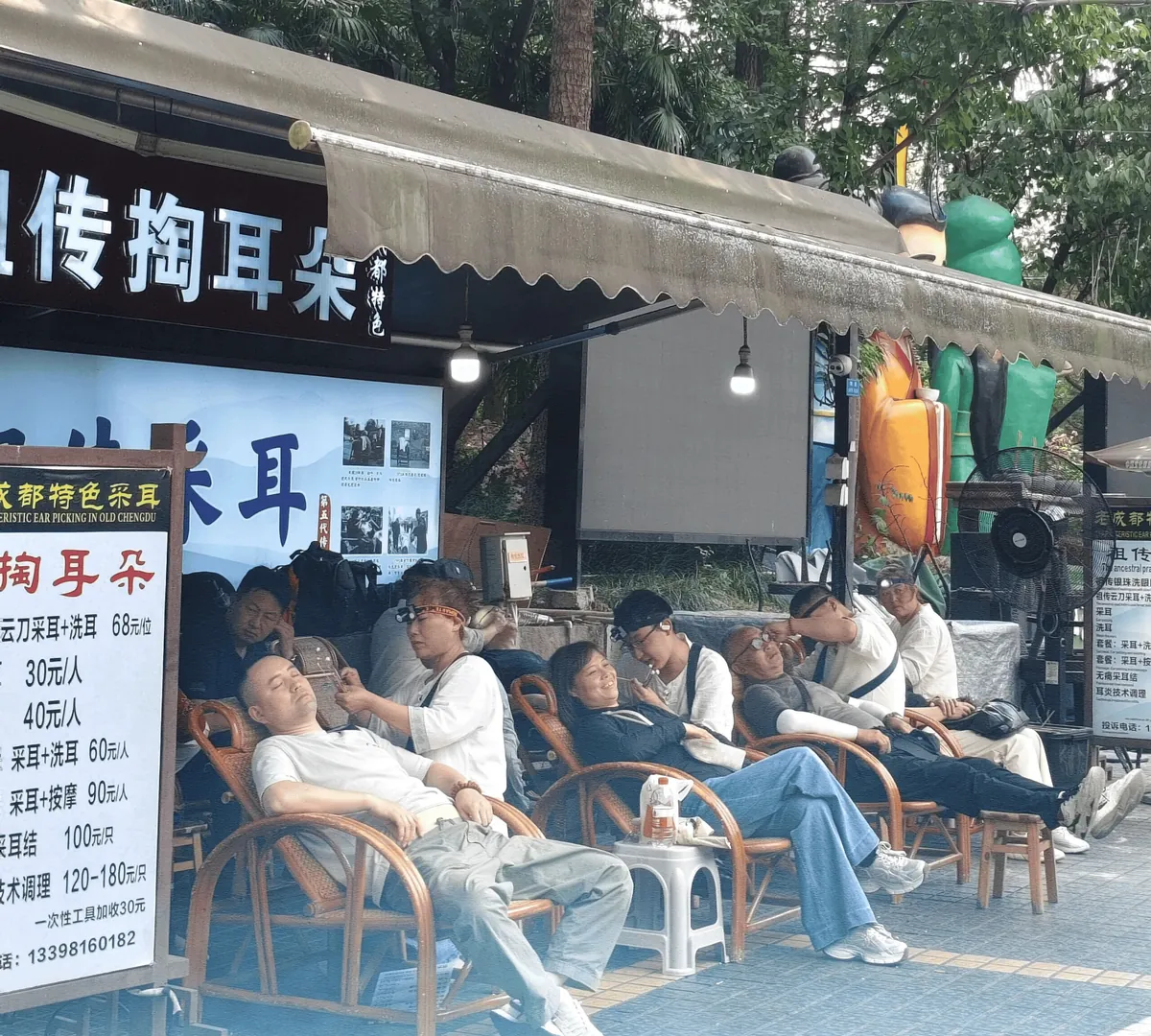
Sichuanese people are known throughout China for their love of leisure. Here, no one rushes. You settle into a teahouse for a whole afternoon, play mahjong, chat, get your ears cleaned on the terrace — yes, it's a real profession here, and a strange delight.
That rhythm rubs off on everything. On meals, which stretch out. On conversations. On the way people welcome you, no pressure, as if you had all the time in the world — and so, therefore, did they.
The cuisine: far more than “it's spicy”
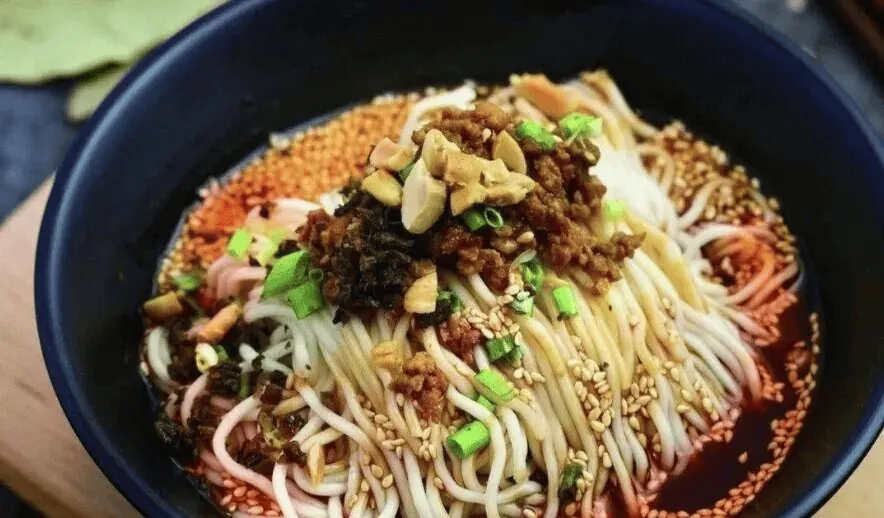
Let's talk about that famous chilli. The truth that surprises everyone: nearly a third of classic Sichuan dishes aren't spicy at all.
Sichuanese cuisine rests on a beautiful principle: “a hundred dishes, a hundred flavours” (百菜百味). Chefs juggle more than twenty different taste profiles. The best known is mala — that numbing, burning blend that comes from the famous Sichuan pepper, huājiāo, which doesn't really burn: it makes your tongue tingle, like a faint electric jolt.
But there's also yúxiāng (“fish fragrance”) — which contains no fish, just a perfect sweet-sour-savoury balance over melting aubergine; guàiwèi (“strange flavour”) — salty, sweet, sour, spicy and numbing in equal parts, often over cold chicken; and suànní — a garlicky freshness, over cold starters.
Beyond the plate

Reducing Sichuan to Chengdu would be a mistake. The region is also the pandas, of course — the Chengdu research base remains a must; the landscapes — turquoise lakes, mountains, valleys, all the way to the edge of the Tibetan plateau; and a surprising contemporary scene in Chengdu: designer cafés, art galleries, bookshops, a cool young crowd reinventing the city.
On that trip, I didn't get the chance to venture beyond Chengdu for lack of time, but the locals really encouraged me to explore other corners of the region — and that's firmly on the list for my next trips.
Why I keep going back
If I had to sum it up, it isn't a flavour or a landscape that draws me back to Sichuan. It's a feeling.
The feeling of a region that has understood something the rest of the world keeps chasing: that there's no rush to finish your tea. Having grown up in the measure and restraint of the North, that's perhaps what disarmed me most — this gentleness of living that asks for nothing, that simply offers itself.
Perhaps Chengdu knows this paradox better than anyone: sometimes, knowing how to savour slowness is the most elegant form of speed.